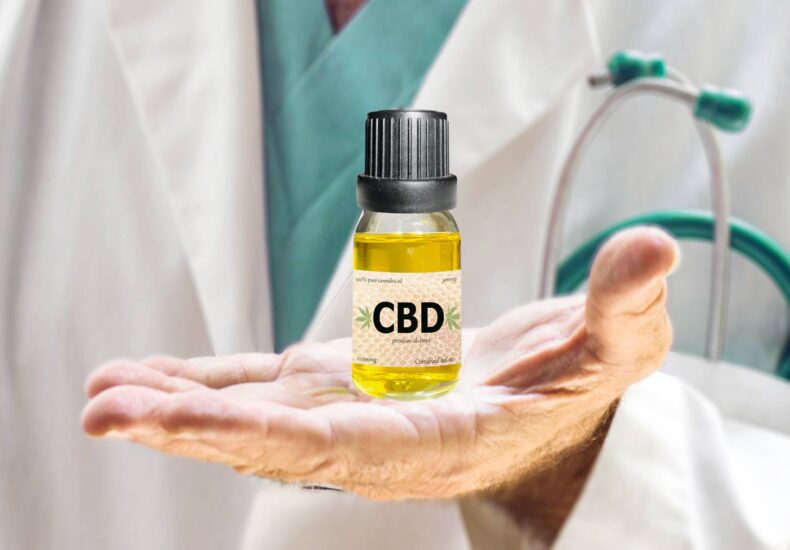
Understanding Myths and Realities
When you catch a cold, it’s not uncommon to hear someone suggest reaching for antibiotics. After all, they are powerful medications that can treat infections, right? However, when it comes to colds, antibiotics are not the solution. Let’s dive deeper into this topic and clarify some common misconceptions.
What Are Colds?
Colds are caused by viruses, primarily rhinoviruses, which infect the upper respiratory tract. Symptoms typically include a runny or stuffy nose, sore throat, coughing, sneezing, and sometimes a mild fever. The key point here is that colds are viral infections, and antibiotics are designed to target bacterial infections, not viral ones.
The Myth of Antibiotics for Colds
Many people believe that antibiotics can help them recover faster from a cold. This belief is not only misguided but can also contribute to significant health problems. Here’s why:
- Ineffectiveness Against Viruses: Antibiotics are ineffective against viruses. Taking them will not alleviate cold symptoms or shorten the duration of the illness.
- Antibiotic Resistance: Overusing antibiotics can lead to antibiotic resistance, making it harder to treat bacterial infections in the future. This is a growing public health concern globally.
- Side Effects: Antibiotics can cause side effects, including nausea, diarrhea, and allergic reactions. Taking them unnecessarily can expose you to these risks without any benefit.
When Are Antibiotics Necessary?
While antibiotics are not needed for colds, they may be prescribed for secondary bacterial infections that can develop as a complication of a cold, such as:
- Sinusitis: Bacterial sinus infections can occur after a cold, and antibiotics may be needed if symptoms persist for more than 10 days or worsen after initial improvement.
- Pneumonia: If a cold leads to pneumonia, antibiotics may be necessary depending on the type and severity of the infection.
- Strep Throat: If you have a sore throat accompanied by fever and swollen lymph nodes, a doctor may test for strep throat, which is bacterial and requires antibiotics.
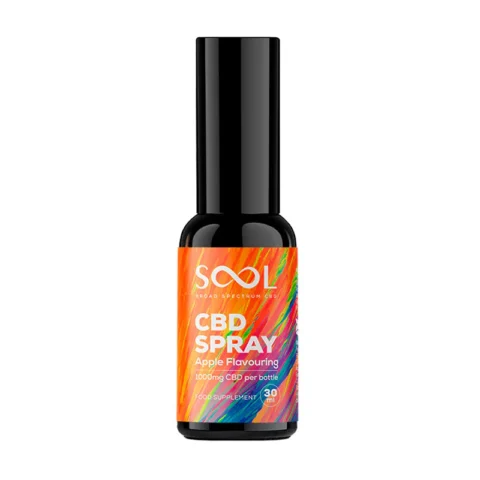
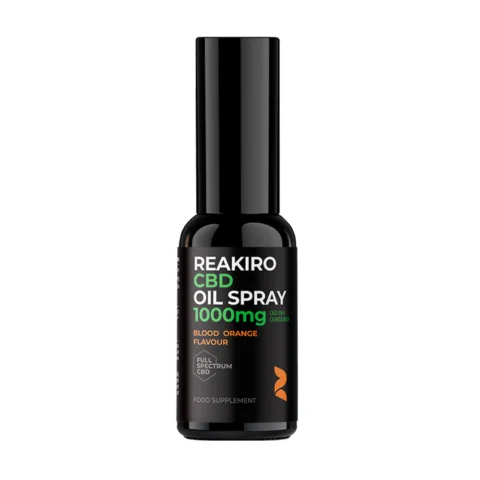
Related Products


Conclusion
In summary, if you catch a cold, save the antibiotics for when you really need them. Instead, focus on rest, hydration, and over-the-counter remedies to relieve symptoms. If you’re unsure about your symptoms or feel that they are worsening, consult a healthcare professional for guidance.
Remember, antibiotics are a valuable medical resource, and using them appropriately is crucial for your health and the health of the community. Stay informed, and take care of yourself!