Is it Allowed to Sell Medical Cannabis in Britain?
1. Legal Framework and History
From prohibition to restricted use. Cannabis was prohibited in the UK under the 1920 Drugs Act and classified as a Class B substance under the 1971 Misuse of Drugs Act. That classification remains, which means unauthorised possession carries penalties of up to five years’ imprisonment. The key change came on 1 November 2018, when certain cannabis‑based products for medicinal use (CBPMs) were rescheduled to Schedule. This allows specialist doctors to prescribe them for specified conditions.
- 2018: Rescheduling creates a legal route for cannabis‑based medicines,
- Class B status: Cannabis remains illegal for recreational use,
- Prescription only: Possessing cannabis without a prescription can lead to prison.
2. Who Can Prescribe and Dispense?
Specialist doctors only. The 2018 rescheduling permits only doctors on the General Medical Council (GMC) specialist register to issue initial prescriptions. General practitioners cannot prescribe cannabis medicines, and strict NHS guidelines mean very few prescriptions have been written through the public health system – reports suggest as few as five in total. Private clinics, however, have more discretion and can prescribe cannabis medicines for a wider range of conditions; the number of private prescriptions jumped to 177 566 items between July 2022 and June 2023.
Licensed pharmacies and the pre‑dispense rule. Only licensed pharmacies may dispense CBPMs. In 2025 the Home Office began enforcing a controversial “Schedule 1 pre‑dispense rule”, advising that a cannabis medicine was only Schedule 2 once it had been dispensed, effectively requiring pharmacies to hold a Schedule 1 licence. Since no UK pharmacy had such a licence, the rule threatened to halt new products. Following legal challenge, the Home Office withdrew the requirement, but the episode illustrates the complexity of cannabis regulation.
- Specialist prescriptions: Only GMC‑registered specialists may prescribe,
- Few NHS prescriptions: Roughly five issued to date,
- Growing private market: 177 566 private items prescribed in 2022–23,
- Dispensing licences: Pharmacies must hold Home Office licences.
3. Patient Access and Eligibility
To obtain medical cannabis through the NHS, patients must meet strict criteria. The National Institute for Health and Care Excellence (NICE) currently recommends cannabis medicines only for severe forms of childhood epilepsy, multiple sclerosis‑related spasticity and chemotherapy‑induced nausea. Applicants must also have tried at least two other treatments before a specialist can consider cannabis. These restrictions mean that few patients qualify; in 2019, only 18 people received an NHS prescription.
Private clinics may prescribe cannabis medicines for a broader list of conditions, from chronic pain and anxiety to Crohn’s disease. Patients must still undergo consultation and monitoring by a specialist, and the medicines are dispensed through designated pharmacies.
- NHS access: Only for a handful of severe conditions,
- Strict criteria: Patients must exhaust other treatments,
- Limited uptake: Just 18 NHS prescriptions in 2019,
- Private clinics: Wider eligibility but higher cost.
4. CBD and Cannabinoid Products
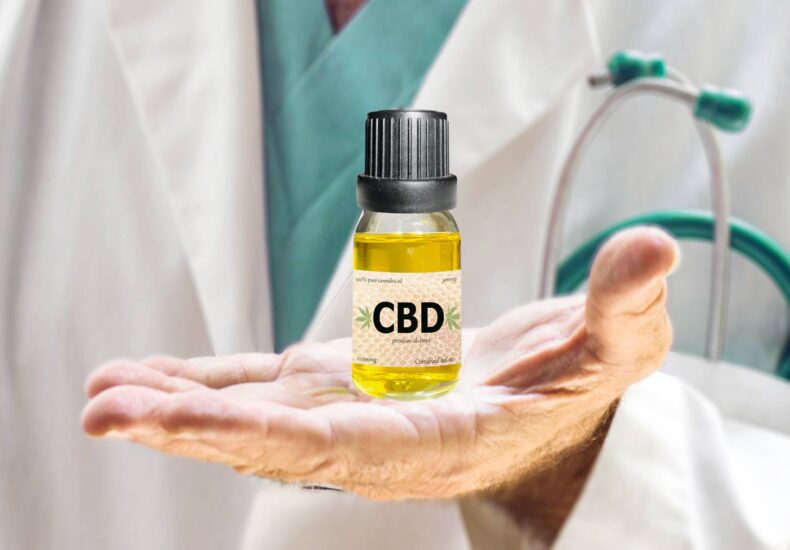
Not all cannabis products are equal. Cannabidiol (CBD) products containing negligible THC are not controlled drugs but are regulated as novel foods. The Food Standards Agency (FSA) requires producers to submit novel food applications and obtain authorisation before marketing ingestible CBD products. As of early 2025, around 12 115 CBD products were linked to credible novel food applications, and the FSA has tightened the acceptable daily intake to 10 mg. Producers without authorisation cannot lawfully sell CBD foods. Meanwhile, cannabis seeds may be sold for souvenir purposes, but germination is illegal without a licence.
- CBD products: Regulated under novel food rules,
- Authorisation required: Thousands of products awaiting FSA approval,
- Low‑THC hemp: Only licensed firms may cultivate or sell seeds for germination
5. Conclusion: Can Medical Marijuana Be Sold in Britain?
Britain has not legalised the open sale of medical marijuana. Cannabis‑based products for medicinal use are available only via prescription from specialist doctors and must be dispensed by licensed pharmacies. The legal reforms of 2018 have improved access but remain heavily regulated. While private prescriptions have surged, NHS prescriptions are still rare. For most citizens, buying cannabis outside this framework is illegal and subject to penalties.
Consumers interested in cannabis‑based medicines should consult qualified healthcare providers, verify the legality of suppliers and avoid unregulated products. As public attitudes evolve and evidence grows, the UK’s medical cannabis policy may continue to adapt – but for now, the right to sell remains restricted to those with the appropriate licences.